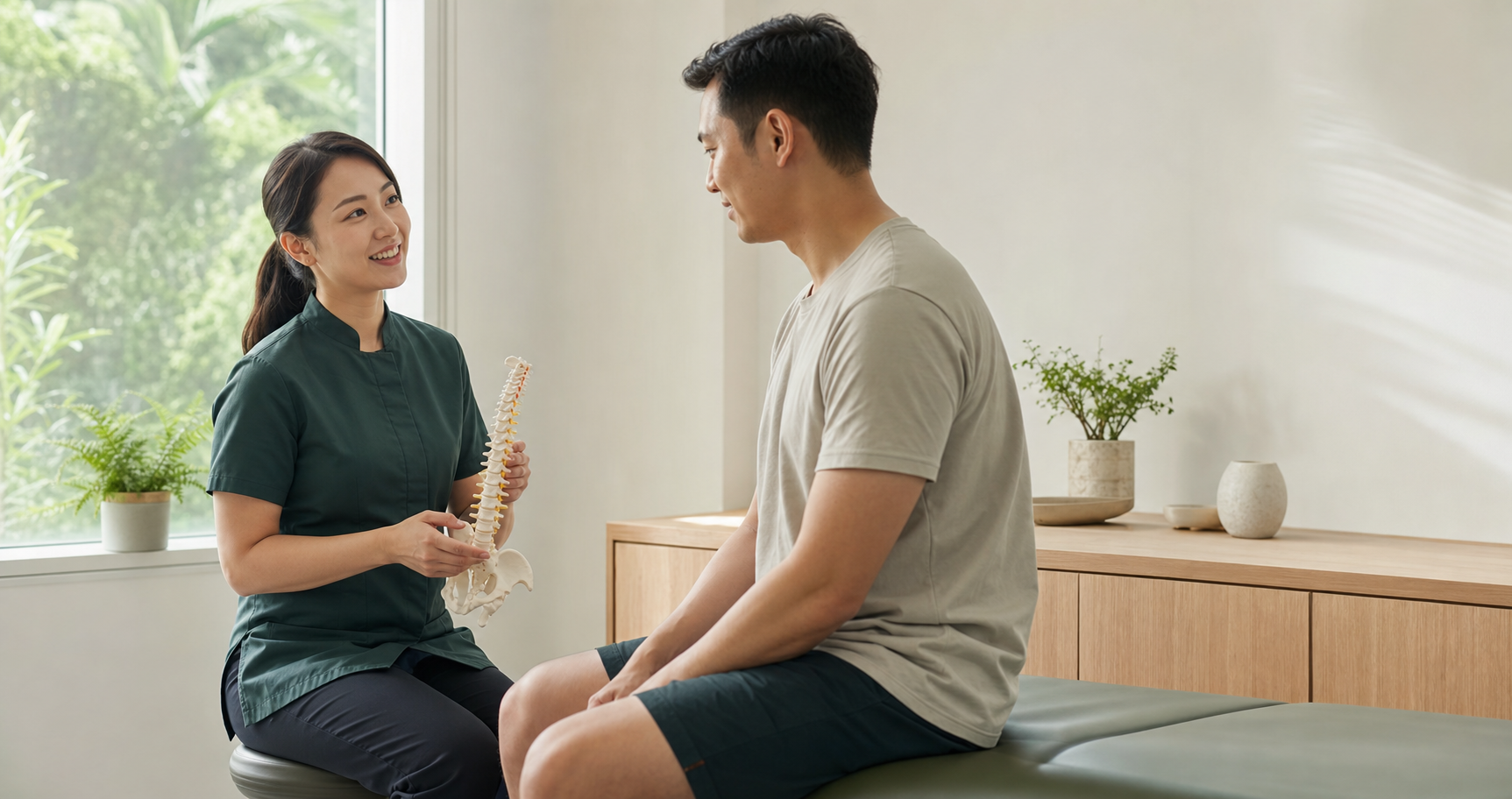
When pain persists, it can change routines, sleep, confidence and expectations. Starting exercise may feel risky. The aim is not to ignore symptoms or push through everything, but to find a tolerable baseline and rebuild capacity steadily.
Choose a repeatable starting point
Pick an activity that feels accessible, such as walking, cycling, water exercise or a short strength routine. Begin below your maximum. Consistency at a modest dose often provides better information than occasional all-out sessions.
Use more than a pain score
Track function too: time spent walking, ease of daily tasks, sleep, confidence and recovery after activity. Improvement may appear in these areas before pain disappears. A temporary flare does not always mean new damage, but significant or unusual symptoms deserve review.
A whole-person plan
WHO guidance for chronic primary low back pain supports a person-centred combination of approaches rather than isolated interventions. Education, exercise, some physical therapies and psychological strategies may all have a role depending on the person.
Would an assessment help?
Speak with Singapore Chiropractic about your symptoms and goals.